Getting website traffic but no enquiries is frustrating because, on the surface, it looks like the hard part is already working. People are finding your business. They are landing on your website. They may even be clicking through a few pages.
But if nobody is calling, filling out your form, booking a consultation, or requesting a quote, traffic alone is not the problem.
The real issue is usually conversion.
A website can attract visitors and still fail to turn them into leads if the design, messaging, user experience, and trust signals are not working together. For many small businesses, the website is not failing because people cannot find it. It is failing because visitors do not feel clear, confident, or motivated enough to take the next step.
This is why the question is not just “why my website gets traffic but no enquiries?” A better question is:
What is stopping visitors from trusting my business enough to act?
Why Website Traffic Alone Doesn’t Generate Leads
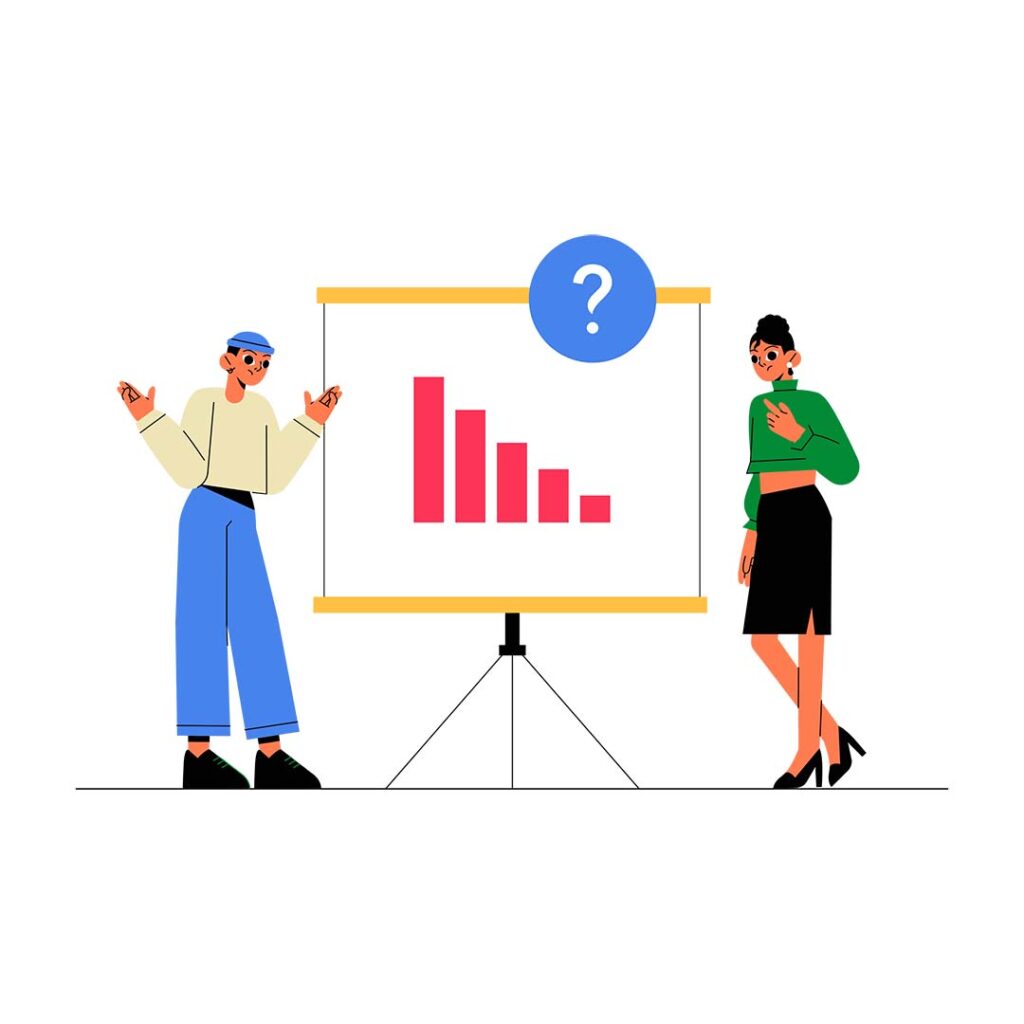
Website traffic is only the beginning of the customer journey. It means someone has arrived on your site, but it does not mean they understand your offer, trust your business, or feel ready to contact you.
A visitor may land on your website for many different reasons. Some are ready to buy. Some are comparing options. Some are researching. Others may only have a vague idea of what they need.
Your website’s job is to move the right visitors from interest to confidence.
This is where many small business websites fall short. They focus too heavily on getting people to the site but not enough on what happens after they arrive.
If your website traffic has no conversions, it may be because the page does not answer the visitor’s internal questions quickly enough:
- Am I in the right place?
- Can this business solve my problem?
- Do they look professional?
- Can I trust them?
- What should I do next?
If those questions are not answered clearly, visitors leave. Not always because they dislike your business, but because they do not have enough certainty to continue.
Your Website May Be Confusing Visitors
One of the most common reasons for a website not converting visitors is confusion.
Confusion creates friction. Friction makes people hesitate. Hesitation reduces enquiries.
A confusing website does not always look obviously “bad.” Sometimes it looks modern, but the structure is unclear. The visitor lands on the page and does not immediately understand what the business does, who it helps, or where to click next.
This can happen when:
- the homepage has too many competing sections
- the navigation is unclear
- the call-to-action is hidden or vague
- the page hierarchy does not guide the eye
- service information is scattered
- the design looks good but lacks strategy
Good website user experience is not just about appearance. It is about helping people move through the website with minimal effort.
When a visitor has to think too hard, they often leave.
For example, a service business might list every service on the homepage without explaining which service is right for which customer. That may feel thorough from the business owner’s perspective, but from the customer’s perspective, it can feel overwhelming.
A conversion focused website should reduce decision fatigue. It should organise information in a way that feels natural, simple, and reassuring.
Weak Messaging Reduces Conversions
If your website is not generating enquiries, your messaging may be too vague.
Many business websites use generic copy such as:
- “We provide quality service”
- “We are passionate about what we do”
- “We help businesses grow”
- “Contact us today”
These statements are not necessarily wrong, but they are not specific enough to build confidence.
Visitors want to know what you do, who you do it for, what problem you solve, and why they should choose you over another option.
Weak messaging often happens when a business talks too much about itself and not enough about the customer’s problem.
For example, instead of saying:
“We build beautiful websites for businesses.”
A stronger message would be:
“We design conversion-focused websites that help service businesses build trust, explain their offer clearly, and turn more visitors into enquiries.”
The second version is more specific. It tells the visitor what the service does, who it helps, and what outcome it is designed to support.
Unclear messaging is one of the biggest causes of a low website conversion rate because visitors cannot act on something they do not fully understand.
Trust Signals Matter More Than Most Businesses Realise
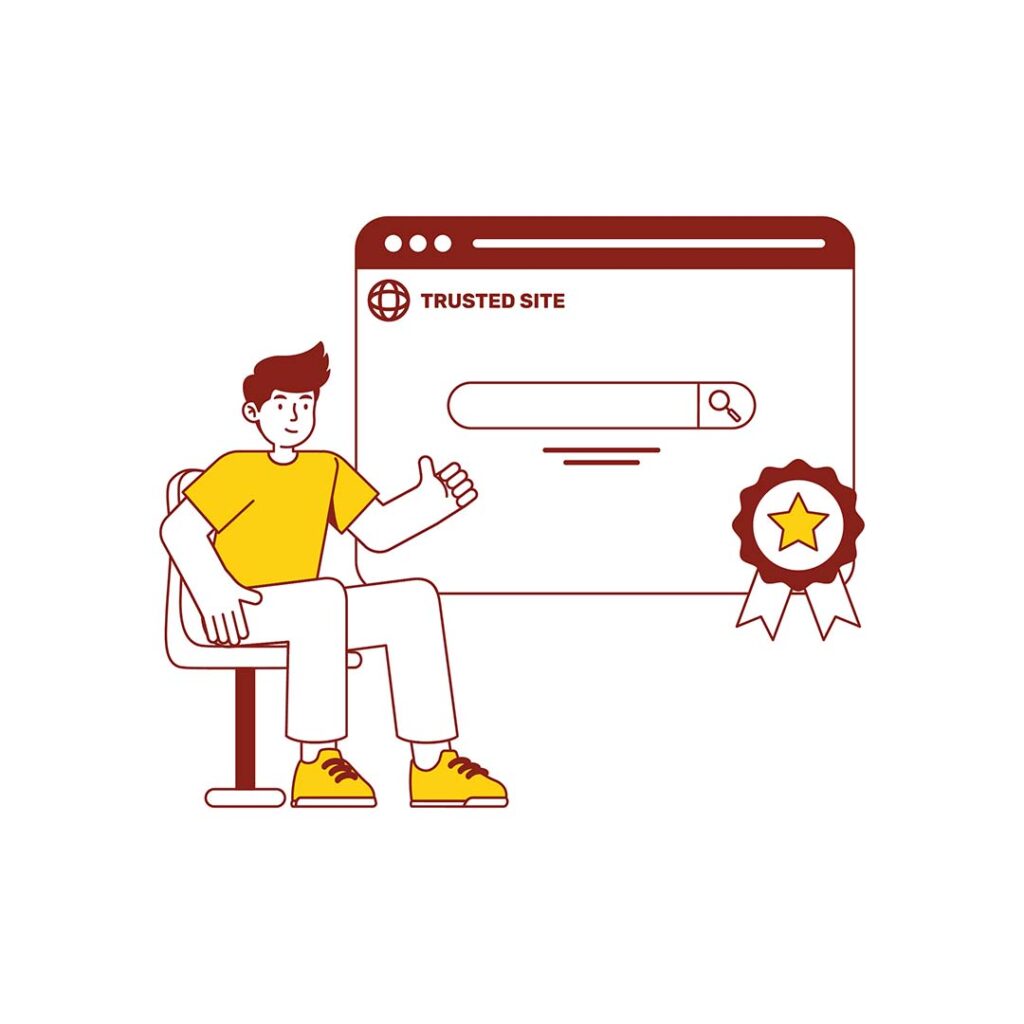
Customer trust online is fragile.
A visitor can make a judgement about your business within seconds. That judgement may be based on your design, wording, images, layout, reviews, branding, or even small details like spelling and spacing.
If your website credibility feels weak, visitors may not contact you even if they need your service.
Trust signals on websites can include:
- testimonials
- reviews
- case studies
- professional images
- clear contact details
- business location
- industry experience
- consistent branding
- secure website setup
- visible service information
These elements reduce perceived risk.
For service businesses, trust is especially important because the customer is often making a personal or financial decision. They may be inviting someone into their home, trusting someone with their business, or paying for a service before they fully know the outcome.
If your website looks outdated, inconsistent, or incomplete, visitors may assume the same about your service.
That may not be fair, but it is how online trust often works.
A strong website does not just look polished. It reassures people at every stage of the user journey.
Weak Calls-To-Action Hurt Enquiries
Sometimes a website gets visitors but no sales or enquiries because the next step is not obvious.
A website call to action should guide visitors toward a clear action, such as:
- request a quote
- book a consultation
- call now
- send an enquiry
- view services
- start a project
The issue is that many websites either hide the CTA, use weak wording, or place it only at the bottom of the page.
If a visitor is ready to act but cannot quickly see what to do next, you may lose them.
Strong CTAs are clear, visible, and repeated naturally across the page. They should not feel aggressive, but they should remove uncertainty.
For example:
“Get in touch” is fine, but it is broad.
“Request a website quote” is clearer.
“Book a free website consultation” may be even stronger if that matches your process.
The goal is to make the next step feel simple and low-friction.
Mobile User Experience Can Kill Conversion Rates
Many small business owners review their website on a desktop computer, but many customers visit from a phone.
If your mobile website usability is poor, your conversion rate can suffer even if your desktop design looks professional.
Common mobile issues include:
- text that is too small
- buttons that are hard to tap
- forms that feel annoying to complete
- images that load slowly
- sections that stack awkwardly
- navigation menus that are hard to use
- important information buried too far down the page
Mobile visitors are often less patient. They may be comparing businesses quickly, checking your site between tasks, or looking for immediate reassurance.
If the experience feels clunky, they may go back to Google and choose another business.
A mobile-responsive website should not simply “fit” on a smaller screen. It should be intentionally designed for how people behave on mobile.
That means clear headings, readable spacing, fast access to contact options, and a simple path toward enquiry.
What Makes A Website Convert Better?
A website converts better when strategy, design, copy, and user experience work together.
It is not one single element. It is the full experience.
Clarity
Visitors should understand what you do within seconds.
Your homepage should make your offer obvious. Your service pages should explain what is included. Your copy should avoid vague statements and focus on real customer problems.
Clarity reduces hesitation.
Trust
People need reasons to believe you are credible.
This can come from testimonials, project examples, professional branding, transparent information, and a polished visual presentation.
Trust reduces perceived risk.
Hierarchy
Good design guides attention.
The most important information should not compete with everything else. Headings, spacing, buttons, and layout should help visitors move through the page naturally.
Hierarchy reduces cognitive load.
Strategic UX
Website user experience is about how easy it is for someone to move from landing on your site to taking action.
A strategic UX approach considers the customer’s mindset, objections, questions, and decision-making process.
This is where conversion focused web design becomes valuable. It is not just about making a site look better. It is about designing the structure around how people actually make decisions.
Conversion Optimisation
Website conversion optimisation means improving the parts of your site that influence enquiries.
That may include:
- rewriting unclear messaging
- improving CTA placement
- adding stronger trust signals
- simplifying forms
- improving mobile layouts
- making service pages more specific
- reducing unnecessary friction
Small improvements can make a meaningful difference when they are based on user behaviour rather than guesswork.
Conclusion
If your website gets traffic but no enquiries, the problem is rarely just traffic.
It is usually a sign that visitors are arriving but not feeling enough clarity, trust, or confidence to take the next step.
Your website may be confusing them. The messaging may be too generic. The design may not feel credible. The call-to-action may be unclear. The mobile experience may be creating friction.
A high-performing website should do more than look good. It should guide visitors, answer their questions, build trust, and make enquiry feel like the natural next step.
At RH Designs, we focus on conversion-driven web design for service businesses that want their website to work harder as a business asset, not just sit online as a digital brochure.
FAQs
Why does my website get traffic but no sales?
Your website may be attracting visitors, but not giving them enough clarity, trust, or direction to take action. Common issues include weak messaging, poor calls-to-action, confusing layouts, lack of trust signals, and poor mobile usability.
Why are visitors leaving my website?
Visitors often leave when they cannot quickly understand what you offer, do not trust the website, find the layout confusing, or experience friction on mobile. Slow loading, vague copy, and unclear navigation can also cause people to exit.
Does website design affect conversions?
Yes. Website design affects how visitors judge credibility, understand information, and move through the page. Good design supports trust, clarity, hierarchy, and user experience, all of which influence whether someone makes an enquiry.
How do I improve website enquiries?
Start by improving your messaging, making your call-to-action clearer, adding trust signals, simplifying your layout, and checking your mobile experience. Your website should make it easy for visitors to understand your service and contact you.
What makes a website convert better?
A website converts better when it has clear messaging, strong trust signals, simple navigation, good mobile usability, visible calls-to-action, and a user journey designed around the customer’s decision-making process.