
In the competitive Australian health landscape, your online presence acts as the digital storefront of your practice. A professional website design for dietitians is essential to build trust and attract the right clientele who value your expertise.
Effective branding helps you stand out in a crowded market. By showcasing your unique approach to nutrition, you convert casual visitors into loyal patients who seek your guidance.
Ready to elevate your practice? Our experts are here to help you transform your online identity. You can reach our team directly at 0431 367 724 to discuss your vision. Alternatively, please send your inquiries to info@rh-designs.com.au to receive a tailored consultation today.
Key Takeaways
- Professional digital branding builds immediate trust with potential patients.
- A high-performing site acts as a 24/7 marketing tool for your nutrition practice.
- Strategic visual layouts help convert visitors into booked appointments.
- Personalized consultations ensure your online presence reflects your unique clinical values.
- Reach out to our Australian-based experts to start your digital transformation.
Importance of a Professional Website for Dietitians
In the modern Australian healthcare landscape, your digital presence is the foundation of your practice. A well-crafted dietitian website serves as the primary digital storefront for your clinical services. It acts as a 24/7 representative that introduces your expertise to potential patients across the country.
The Role of Online Presence
Visibility is the most critical factor in growing a private practice today. When patients search for nutritional guidance, they rely heavily on search engines and social platforms to find qualified professionals. By maintaining a strong online presence, you ensure that your services appear exactly when and where your target audience is looking.
Consider these primary benefits of having a dedicated site:
- Increased discoverability through local search results.
- Direct control over your professional brand narrative.
- A centralized hub for booking appointments and sharing resources.
- Enhanced accessibility for patients seeking specific dietary advice.
Building Credibility Through Design
Visual aesthetics and layout choices directly influence how patients perceive your authority. A clean, professional dietitian website signals to visitors that you are a credible expert who values quality and patient care. When a site looks outdated or cluttered, potential clients may subconsciously question the standard of your clinical advice.
High-quality design elements foster immediate trust. Patients are more likely to engage with a practitioner who presents information in an organized, easy-to-read format. Investing in professional design is not just about looks; it is about creating a secure and welcoming environment for your clients.
| Feature | Professional Site | Amateur Site |
|---|---|---|
| First Impression | Trustworthy & Expert | Unreliable & Confusing |
| Navigation | Intuitive & Fast | Difficult & Slow |
| Brand Authority | High & Consistent | Low & Fragmented |
Ultimately, your website is a reflection of your commitment to health. By prioritizing a professional dietitian website, you demonstrate that you are a serious practitioner dedicated to providing the best possible experience for every patient.
Key Features of an Effective Dietitian Website
Creating an effective nutrition website involves more than just aesthetics; it requires a strategic approach to functionality. Your digital platform serves as the primary touchpoint for potential clients, making it essential to prioritize a seamless user experience. By focusing on clear structure and helpful tools, you can ensure that visitors find exactly what they need without frustration.
User-Friendly Navigation
An intuitive navigation menu acts as a roadmap for your site visitors. When a user lands on your nutrition website, they should be able to identify your services, location, and contact details within seconds. Simplicity is key; avoid cluttered menus that overwhelm the reader and lead to high bounce rates.
Responsive Design for Mobile Users
In Australia, a vast majority of internet traffic originates from smartphones and tablets. A responsive nutrition website automatically adjusts its layout to fit any screen size, ensuring that your content remains readable and accessible. If your site is difficult to navigate on a mobile device, you risk losing potential patients who prefer the convenience of booking while on the move.
Integration with Health Tools
Modern practices rely on technology to streamline daily operations and improve patient satisfaction. By integrating tools like online appointment scheduling or secure patient intake forms directly into your nutrition website, you reduce administrative burdens. These features allow clients to manage their own bookings, which fosters a sense of trust and professionalism from the very first interaction.
| Feature | Patient Benefit | Practice Impact |
|---|---|---|
| Mobile Responsiveness | Easy access on any device | Higher search engine ranking |
| Online Booking | 24/7 appointment scheduling | Reduced administrative time |
| Digital Intake Forms | Faster check-in process | Improved data accuracy |
| Clear Navigation | Quick information retrieval | Increased conversion rates |
Essential Content for Dietitian Websites
A well-crafted dietitian website acts as a 24/7 advocate for your clinical practice and nutritional expertise. Content serves as the backbone of your digital strategy, providing the necessary information to convert casual visitors into loyal, long-term clients. By focusing on clarity and connection, you ensure that every visitor understands the value you bring to their health journey.
Engaging About Page
Your About page is the perfect place to humanize your practice. Instead of just listing credentials, share your professional journey and the personal philosophy that drives your passion for nutrition.
Patients want to know who they are working with before they book a session. When you share your story, you build a bridge of trust that makes your dietitian website feel welcoming and accessible.
Service Descriptions
Detailed service descriptions are vital for setting clear expectations. You should clearly outline the specific health conditions or dietary goals you are equipped to manage, such as weight management, sports nutrition, or chronic disease support.
When potential clients find a service that matches their specific needs, they are much more likely to reach out. Providing this level of detail on your dietitian website helps filter inquiries and ensures you attract the right patients for your expertise.
Client Testimonials
Including authentic client testimonials helps to validate your professional skills. These stories provide social proof that encourages new patients to feel confident in booking their first consultation.
Seeing positive outcomes from others can be the final push a visitor needs to take action. By showcasing real results on your dietitian website, you demonstrate your ability to help others achieve their health goals effectively.
Color Schemes and Visual Elements
Crafting a professional look for your nutrition website requires a careful balance of color psychology and clean design. The visual identity you establish serves as the digital face of your practice, influencing how potential clients perceive your expertise and reliability. By selecting the right aesthetic, you create an environment that feels welcoming and credible from the very first click.
Choosing the Right Colors
Colors communicate emotions before a user even reads a single word of your content. For a nutrition website, you should aim for palettes that evoke feelings of health, vitality, and trust. Soft greens and earthy tones often suggest natural wellness, while clean blues can instill a sense of medical professionalism and calm.
It is essential to maintain a consistent color scheme across all pages to reinforce your brand identity. Avoid using too many bright or clashing colors, as these can overwhelm visitors and distract from your core message. Instead, use a primary color for your branding and neutral tones for backgrounds to ensure your text remains easy to read.
Utilizing High-Quality Images
High-quality imagery is a vital component of a successful nutrition website. Professional photography of your clinic, healthy food choices, or even a warm portrait of yourself can significantly enhance user engagement. Authentic images help bridge the gap between a digital screen and a personal, human connection.
When selecting visuals, prioritize clarity and relevance to your specific services. Avoid generic stock photos that look artificial, as these can diminish the perceived authenticity of your practice. Using high-resolution images ensures that your site looks modern and polished on both desktop and mobile devices.
| Color Palette | Psychological Impact | Best Use Case |
|---|---|---|
| Soft Green | Growth and Health | Backgrounds and Accents |
| Deep Blue | Trust and Authority | Headers and Buttons |
| Warm Orange | Energy and Vitality | Call-to-Action Elements |
| Clean White | Clarity and Simplicity | Main Content Areas |
SEO Strategies for Dietitian Websites
If you want your dietitian practice to be found by local clients, you must prioritize your search engine visibility. Implementing robust strategies is fundamental to ensuring your practice appears in local search results when potential patients look for nutritional support. This approach is a core component of effective healthcare marketing, helping you reach more patients organically.
Keyword Research for Dietitians
The foundation of any successful digital strategy lies in identifying high-intent keywords that align with the specific services you offer. You should focus on terms that your target demographic in Australia is actively typing into search engines. Targeting local phrases, such as “dietitian in Sydney” or “sports nutritionist Melbourne,” helps capture high-quality leads.
Effective healthcare marketing involves balancing broad industry terms with specific, long-tail keywords. By understanding the intent behind these searches, you can tailor your content to answer the exact questions your potential clients are asking. This targeted method ensures that your website attracts visitors who are genuinely interested in your professional expertise.
On-Page SEO Techniques
Once you have identified your keywords, you must integrate them into your website structure. Optimizing your meta descriptions, header tags, and image alt text is essential for improving your site’s search engine ranking. These elements provide search engines with the context needed to index your pages correctly.
Consistency is key when applying these technical adjustments across your site. Use the following table to understand how different on-page elements contribute to your overall healthcare marketing success:
| SEO Element | Primary Purpose | Impact on Ranking |
|---|---|---|
| Meta Descriptions | Click-through rate | High |
| Header Tags (H1-H3) | Content hierarchy | Very High |
| Image Alt Text | Accessibility and SEO | Medium |
| URL Structure | User and bot clarity | Medium |
By refining these technical details, you create a seamless experience for both users and search engine crawlers. Remember that quality content remains the most important factor in your long-term growth. Consistent application of these techniques will solidify your authority in the competitive field of nutrition.
Compliance with Health Regulations
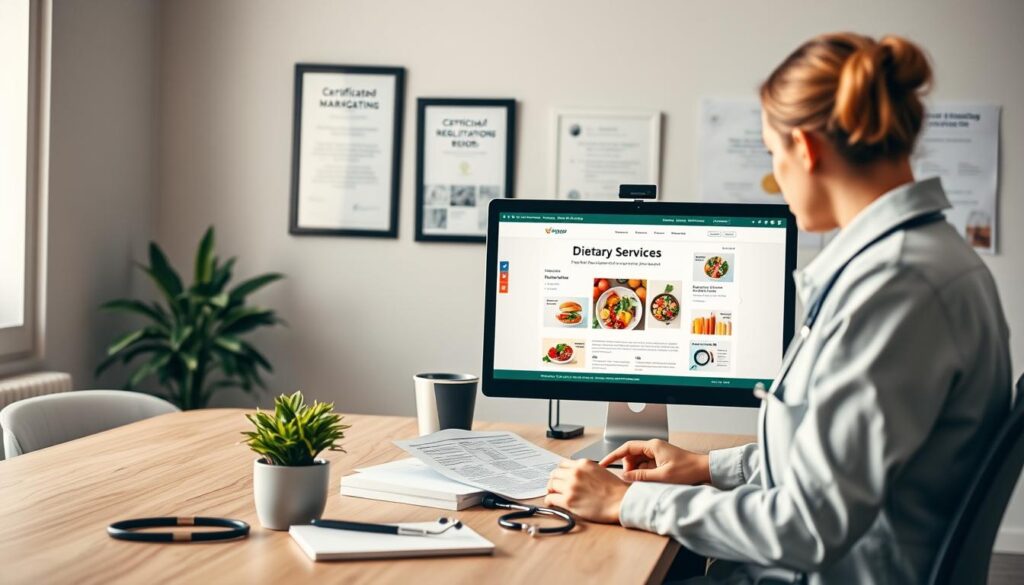
Building a successful online practice in Australia demands more than just great design; it requires a foundation of trust and legal safety. As you expand your digital footprint, you must prioritize the protection of sensitive patient information. Proactive compliance not only shields your practice from legal risks but also strengthens the bond you share with your clients.
Understanding Privacy Laws
Operating a healthcare website requires strict adherence to privacy laws to ensure that patient data remains confidential. In Australia, you must align your data collection methods with the Privacy Act and the Australian Privacy Principles (APPs). This means your site should feature clear privacy policies and secure forms for any information gathered from visitors.
Secure data collection is non-negotiable when handling health records or contact details. Always use encrypted connections, such as SSL certificates, to prevent unauthorized access. By prioritizing these technical safeguards, you demonstrate a commitment to professional integrity and patient safety.
Adhering to Marketing Guidelines
Effective healthcare marketing requires a delicate balance between promoting your services and following professional standards. Dietitians in Australia must comply with the Australian Health Practitioner Regulation Agency (AHPRA) guidelines regarding advertising. Avoid making misleading claims or using testimonials that could be interpreted as guaranteeing specific health outcomes.
Your digital content should remain educational, transparent, and ethical at all times. When you focus on providing value rather than aggressive sales tactics, you protect your reputation and maintain compliance. The following table outlines the key areas where you must maintain strict regulatory oversight.
| Compliance Area | Primary Focus | Risk Mitigation |
|---|---|---|
| Data Privacy | Patient Information | Encryption & Consent |
| Healthcare Marketing | Ethical Promotion | AHPRA Guideline Alignment |
| Digital Content | Accuracy of Claims | Evidence-Based Messaging |
Utilizing Social Proof
Social proof serves as the cornerstone of modern healthcare marketing, turning casual visitors into committed clients. By leveraging the experiences of others, you build an immediate sense of trust with new prospects who are navigating their health journey. This strategy transforms your website from a simple brochure into a vibrant hub of verified success.
The Impact of Customer Reviews
Online reviews act as the digital equivalent of a personal recommendation. When potential patients see positive feedback from others, their anxiety regarding new services often fades away. Authenticity is key, so encourage your clients to share their genuine experiences on platforms like Google or your own site.
Displaying these testimonials prominently helps validate your professional reputation. A steady stream of positive reviews signals to search engines and visitors alike that your practice is active and reliable. This simple addition to your site can significantly improve your conversion rates.
“Trust is the currency of the healthcare industry; without it, even the most advanced clinical expertise remains hidden from those who need it most.”
Showcasing Case Studies
While reviews provide quick snapshots of satisfaction, case studies offer a deeper look into your clinical methodology. By documenting the journey of a patient from their initial struggle to their ultimate success, you demonstrate your ability to solve complex health issues. These narratives provide the tangible evidence that potential patients need to feel confident in your care.
When writing these studies, focus on the specific challenges faced and the measurable outcomes achieved. This approach highlights your expertise in a way that generic service descriptions cannot. It effectively bridges the gap between professional knowledge and patient results.
| Type of Proof | Primary Benefit | Implementation Effort |
|---|---|---|
| Customer Reviews | Builds immediate trust | Low |
| Case Studies | Demonstrates expertise | High |
| Video Testimonials | Increases engagement | Medium |
Incorporating these elements into your healthcare marketing strategy ensures that your website remains a powerful tool for growth. By consistently highlighting success stories, you provide the reassurance necessary for new clients to choose your services over the competition.
Platforms for Website Creation
Selecting the right foundation for your online presence is a pivotal step in your professional journey. The technology you choose will directly influence the scalability and functionality of your website design for dietitians. Making an informed decision now ensures that your site can grow alongside your practice.

Popular CMS Options for Dietitians
For many practitioners, a Content Management System (CMS) offers the perfect balance of power and simplicity. Platforms like WordPress, Squarespace, and Wix allow you to manage your content without needing deep technical knowledge. These tools are ideal for those who want to update blog posts or client resources frequently.
Ease of use is the primary advantage of these systems. Most offer drag-and-drop editors and pre-made templates that help you maintain a professional look. By choosing a reputable CMS, you ensure that your website design for dietitians remains accessible and easy to maintain over time.
Benefits of Custom Development
While CMS platforms are excellent for many, some practices require a more tailored approach. Custom development provides complete control over every aspect of your site, from unique interactive tools to advanced security protocols. This path is often preferred by clinics that need highly specific functionality or a distinct brand aesthetic that standard templates cannot provide.
Investing in a custom-built site allows for optimized performance and a unique user experience. You can integrate specialized health tracking tools or secure patient portals that align perfectly with your workflow. Although this route requires a larger initial investment, the long-term benefits include:
- Enhanced security tailored to your specific data needs.
- Complete ownership of your site architecture and code.
- Unlimited potential for future feature expansion.
Ultimately, the best choice depends on your current business goals and technical comfort level. Whether you opt for a flexible CMS or a bespoke custom solution, your focus should remain on providing value to your clients through a seamless digital experience.
Maintaining and Updating Your Website
Your digital presence acts as a living asset that requires consistent care to remain effective. Search engines prioritize sites that provide fresh, relevant information to users on a regular basis.
Keeping Your Content Fresh
Publishing new blog posts or refreshing your service details keeps your audience engaged and informed. This practice signals to search algorithms that your practice remains active and authoritative in the nutrition field.
Managing a professional site takes time and technical focus. If you require expert support to handle these updates, please call 0431 367 724 for assistance. You are welcome to email info@rh-designs.com.au to discuss ongoing maintenance packages tailored to your specific needs.
Investing in consistent site management ensures your platform continues to perform at its peak. Reach out today to secure your digital growth and maintain a competitive edge in the health industry.
FAQ
Why is a professional website design for dietitians essential for my practice?
In the competitive Australian healthcare market, your dietitian website serves as your primary digital storefront. A professional design builds immediate credibility and trust with potential patients seeking expert nutritional advice. By establishing a strong online presence, you ensure your services are discoverable through search engines and social platforms, helping you attract and retain the right clientele. For a tailored consultation, you can contact RH Designs at 0431 367 724.
What are the must-have features for an effective nutrition website?
An effective nutrition website must prioritize user-friendly navigation and a responsive design to accommodate mobile users. Technical integration with health tools, such as appointment scheduling software and digital patient intake forms, is also vital to streamline your clinic’s daily operations and improve the patient experience.
How does healthcare marketing and SEO help grow my patient base?
Implementing robust SEO strategies is fundamental to appearing in local search results. By identifying high-intent keywords and utilizing on-page SEO techniques—such as optimizing meta descriptions and header tags—you can improve your search engine ranking. This form of healthcare marketing allows you to reach more patients organically when they search for specific nutritional support.
What kind of content should I include to convert visitors into clients?
Your website should feature an engaging About page that shares your professional qualifications and philosophy. Detailed service descriptions are necessary to outline the health conditions you manage, while authentic client testimonials and social proof validate your expertise and encourage new patients to book a consultation.
How do I ensure my website complies with Australian health regulations?
Compliance involves strict adherence to privacy laws and professional marketing guidelines. It is essential to implement secure data collection methods to keep sensitive patient information confidential. At RH Designs, we focus on creating digital presences that remain compliant while effectively promoting your healthcare brand.
Should I choose a popular CMS or custom development for my site?
The choice depends on your specific needs. Popular CMS options offer ease of use for regular content updates, whereas custom development provides unique features, advanced security, and a specific brand aesthetic. Both paths have benefits for the long-term scalability of your dietitian website.
How often should I update my website content to remain relevant?
Regular maintenance and fresh content, such as blog posts or updated service details, are necessary to keep your audience engaged and satisfy search engine algorithms. If you require professional support for ongoing updates, you can email info@rh-designs.com.au or call 0431 367 724 to discuss maintenance packages that keep your site performing at its peak.
How do visual elements like color schemes impact my healthcare brand?
Visual identity plays a major role in brand perception. Choosing color schemes that evoke health, wellness, and trust can influence a patient’s emotional response. Additionally, utilizing high-quality images of your clinic or healthy food choices enhances engagement and prevents the layout from feeling overwhelming.


