
Determining the ideal size for your digital presence is a vital step for any Australian entrepreneur. A well-structured site acts as the foundation for long-term growth and online visibility.
The total count of your site sections directly influences search engine rankings and the overall journey of your potential customers. Finding the perfect balance ensures that visitors find exactly what they need without feeling overwhelmed by unnecessary content.
Strategic planning allows you to showcase your services effectively while maintaining a clean, professional look. If you need expert guidance on your digital requirements, our team is ready to assist. You can reach us at 0431 367 724 or send an email to info@rh-designs.com.au to discuss your specific goals.
Key Takeaways
- Site architecture significantly impacts your search engine visibility.
- User experience improves when navigation remains simple and intuitive.
- Quality content matters more than the total volume of your site sections.
- Professional guidance helps align your digital presence with growth objectives.
- Contact our team for personalized advice on your online strategy.
Understanding the Importance of Website Pages
Think of your website as a digital map where every stop serves a specific purpose for your visitors. When you build a site, you are essentially creating a series of website pages that act as the foundation for your entire online presence. Each individual page functions as a building block, contributing to the overall authority and clarity of your brand.
“Design is not just what it looks like and feels like. Design is how it works.”
The Role of Website Pages in SEO
Search engines rely on these distinct website pages to understand what your business offers. When crawlers visit your site, they index each page to determine its relevance to specific search queries. A well-organized structure ensures that search engines can easily navigate your content, which is vital for maintaining a professional and visible presence in competitive markets.
By optimizing each page with unique, high-quality content, you signal to search engines that your site is a valuable resource. This process helps improve your rankings and makes it easier for potential customers to find you. Strategic organization is the key to ensuring that your site remains both discoverable and authoritative.
How Pages Affect User Experience
Beyond technical performance, the way you structure your website pages directly impacts how visitors interact with your brand. A logical path guides users through your site, helping them find the information they need without frustration. When every page serves a clear, distinct purpose, you reduce bounce rates and encourage deeper engagement.
Effective navigation turns a simple visit into a meaningful interaction. By focusing on a clean layout and intuitive flow, you create a seamless experience that builds trust with your audience. Remember that every page is an opportunity to solve a problem or answer a question for your customer.
Common Website Pages for Small Businesses
Building a successful online presence starts with a well-planned business website structure. When you organize your content logically, you help visitors find exactly what they need without frustration. A clear layout acts as a digital storefront that builds trust and authority for your brand.
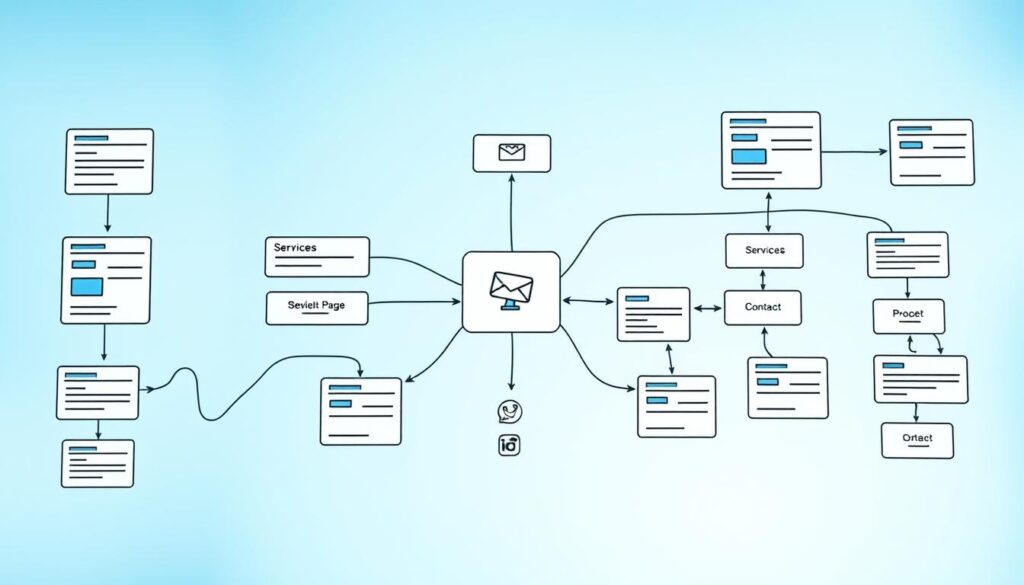
Before you begin building, it is helpful to draft a website sitemap. This visual guide ensures that every page serves a specific purpose in your customer journey. By mapping out your site early, you avoid clutter and keep your navigation intuitive for all users.
Essential Pages Every Business Should Include
Every professional site requires a core set of pages to function effectively. The Home page serves as your digital front door, providing a snapshot of who you are and what you offer. It should clearly communicate your value proposition within seconds of a visitor arriving.
The About Us page is equally critical for establishing a human connection. Customers often want to know the story behind the brand before they commit to a purchase. Finally, a dedicated Contact page is non-negotiable, as it provides the necessary channels for potential clients to reach out to your team.
Optional Pages That Add Value
Once you have the basics covered, you can enhance your site with additional sections that boost credibility. A Testimonials or Reviews page allows you to showcase social proof, which is vital for building confidence in your services. Positive feedback from past clients often acts as the final nudge for a hesitant prospect.
An FAQ section is another excellent way to save time and improve user experience. By addressing common questions upfront, you reduce the burden on your support staff while providing instant answers. Integrating these elements into your overall website sitemap creates a comprehensive resource that supports your business growth effectively.
The Standard Number of Pages for Small Business Websites
Many entrepreneurs wonder how many pages should a small business website have to remain competitive in the digital landscape. While there is no single magic number, most successful sites prioritize quality over quantity. A clear, focused business website structure often outperforms a bloated site with thin, irrelevant content.
Typical Page Count Range
For most small businesses, a website typically ranges between 5 and 15 pages. This range usually covers the essential pillars: a home page, an about page, service or product descriptions, and a contact page. Starting small allows you to maintain high standards for every piece of content you publish.
As your company grows, you can expand this foundation. Adding a blog or a portfolio section helps you reach more customers without cluttering your primary navigation. Remember that a well-organized business website structure is the key to keeping visitors engaged.
Factors Influencing Page Count
Several variables dictate the size of your site, including your specific industry and service offerings. A local cafe might only need a simple one-page site, while a professional consultancy firm requires more depth to explain complex services. Your marketing goals also play a major role in determining the final count.
If you plan to run targeted advertising campaigns, you may need additional landing pages. These pages are designed to convert traffic rather than provide general information. Consider the following table to help you gauge your current needs:
| Business Stage | Recommended Pages | Primary Focus |
|---|---|---|
| Startup | 3 – 5 | Brand identity and contact |
| Growing | 6 – 15 | Service details and SEO |
| Established | 16+ | Content marketing and conversion |
Ultimately, the question of how many pages should a small business website have depends on your unique objectives. Focus on providing value to your audience through a logical and easy-to-navigate layout. By scaling your content alongside your business growth, you ensure that your site remains a powerful asset for years to come.
Crafting Effective Home and About Us Pages
Your home and about us pages serve as the digital front door to your business. These two sections are often the most visited areas of any website, acting as the primary touchpoints for new visitors. A strong first impression is vital to ensure that potential clients feel confident in your services from the very first click.
Key Elements for the Home Page
The home page must communicate your value proposition within seconds. Visitors should immediately understand what you offer and why it matters to them. A clear, compelling headline is the most effective way to anchor your message and keep users engaged.
Strategic placement of calls to action (CTAs) is essential for guiding your audience toward the next step. Whether you want them to book a consultation or browse your shop, these buttons should be prominent and easy to find. Simplicity in design often leads to higher conversion rates by reducing user frustration.

Tips for Writing an Engaging About Us Page
The about us page is your opportunity to humanize the brand and build genuine trust. Instead of listing dry corporate facts, focus on the story behind your business. Sharing your mission and values helps potential clients connect with you on a personal level.
Consider including high-quality photos of your team or your workspace to add a layer of authenticity. When people see the faces behind the brand, they are more likely to feel comfortable initiating a professional relationship. Transparency is a powerful tool for establishing long-term credibility in a competitive market.
Finally, ensure your tone remains consistent with your overall brand identity. By blending professional expertise with a relatable narrative, you create a welcoming environment that encourages visitors to explore further. This approach turns casual browsers into loyal customers who value your unique perspective.
Product and Service Pages: What to Include
A well-organized business website structure is essential for showcasing what you sell to potential clients. When visitors land on these pages, they should immediately understand the value you provide. Clear navigation and logical layouts help guide users toward making an informed purchasing decision.
Structuring Product Pages for Success
Your product pages act as the primary sales engine for your online presence. To maximize conversions, you must include high-quality imagery that allows customers to see exactly what they are buying. Providing multiple angles or zoom features can significantly reduce hesitation during the checkout process.
Detailed descriptions are equally important for a professional business website structure. Instead of just listing features, explain how the product solves a specific problem for the user. Anticipating customer questions through comprehensive FAQs or clear specifications builds trust and authority.
Creating Service Pages That Convert
Service-based businesses require a different approach to capture interest effectively. Rather than focusing solely on technical tasks, your content should clearly articulate the benefits and outcomes of your work. Clients want to know how their lives or businesses will improve after hiring you.
Use compelling calls to action to encourage visitors to take the next step, such as booking a consultation or requesting a quote. By maintaining a consistent business website structure, you ensure that every service page feels like a natural extension of your brand. This clarity helps potential clients feel confident that they have found the right partner for their needs.
The Benefits of a Blog for Small Businesses
If you want to transform your website from a static brochure into a dynamic resource, starting a blog is the logical next step. A blog serves as a powerful engine for driving organic traffic and establishing your brand as a trusted voice in your industry. By consistently publishing high-quality content, you signal to search engines that your site is active and relevant.
How Blogging Increases Engagement
A blog creates a unique opportunity to connect with your visitors on a deeper level. When you provide fresh, valuable information, you give your audience a compelling reason to return to your site repeatedly. This ongoing interaction builds trust and keeps your brand at the forefront of their minds.
Consistent blogging also helps you nurture potential customers through the decision-making process. By addressing common questions and sharing industry insights, you demonstrate your expertise without being overly promotional. Consider these primary ways a blog boosts engagement:
- Encourages social sharing: Informative posts are often shared across social media platforms, expanding your reach.
- Improves time on site: Engaging articles keep readers browsing your pages longer, which signals quality to search engines.
- Builds community: Comments and feedback sections allow for direct communication with your target audience.
Blog Topics That Attract Your Audience
Selecting the right topics is essential for a successful content strategy. You should focus on subjects that directly address the specific pain points and challenges your customers face daily. When you solve a problem for a reader, you earn their loyalty and respect.
To identify the best topics, start by listening to the questions your customers ask during consultations or sales calls. These real-world inquiries are gold mines for content that resonates. You might consider writing about:
- How-to guides: Step-by-step instructions that simplify complex tasks related to your services.
- Industry trends: Commentary on recent changes that impact your clients.
- Case studies: Real examples of how your business helped a client achieve a specific goal.
By focusing on these areas, you ensure that your blog remains a valuable asset rather than just filler content. A well-planned strategy will ultimately improve your search engine rankings and solidify your position as an industry leader.
Incorporating a Contact Page: Best Practices
Your contact page serves as the final bridge between a curious visitor and a loyal customer. It acts as the ultimate destination in your conversion funnel, where interest transforms into a direct business inquiry. Prioritizing this page ensures that your potential clients feel supported and valued throughout their journey on your site.
Essential Information to Include
Transparency is the foundation of professional business relationships. You must provide clear, accurate, and easily accessible details so that visitors can reach you without frustration. At RH Designs, we believe that accessibility is key to building long-term trust.
To ensure your visitors have everything they need, consider including the following details prominently on your page:
- Direct Phone Number: Call us at 0431 367 724 for immediate assistance.
- Professional Email: Send your inquiries to info@rh-designs.com.au for a prompt response.
- Business Hours: Clearly state when your team is available to handle requests.
- Physical Address: If applicable, provide a location to add local credibility.
“The quality of your communication channels directly reflects the quality of your customer service. Make it simple for people to say yes to your business.”
Design Tips for an Effective Contact Page
A cluttered or confusing contact page can drive potential leads away instantly. Your design should focus on simplicity and speed, allowing users to submit their information with minimal effort. A clean layout helps maintain the professional image of your brand.
Consider these design strategies to optimize your user experience:
- Use Simple Forms: Keep your contact forms short by only asking for essential information like name, email, and a brief message.
- Clear Call-to-Action Buttons: Ensure your “Submit” or “Contact Us” buttons are high-contrast and easy to click on mobile devices.
- Visual Hierarchy: Place your most important contact details at the top of the page where they are immediately visible.
- Mobile Responsiveness: Test your page on various devices to ensure the layout remains functional and readable for everyone.
By implementing these best practices, you create a seamless path for your audience to connect with you. Remember that a well-designed contact page is not just a technical requirement; it is a strategic asset for your business growth.
Utilizing Landing Pages for Marketing Campaigns
When you launch a new promotion, your primary website sitemap might not be the most effective destination for your paid traffic. While your main site provides a broad overview of your business, a landing page is built with a singular, laser-focused objective in mind.
These pages act as a bridge between your advertisement and your conversion goal. By directing users to a tailored experience, you ensure that your marketing budget works as hard as possible to generate tangible results.
Differences Between Landing Pages and Other Pages
Standard pages on your site are designed to inform and guide users through your entire website sitemap. They often contain headers, footers, and sidebars that encourage visitors to explore different sections of your business.
In contrast, a landing page is stripped of these distractions. Its primary purpose is to capture a lead or drive a specific sale, rather than to educate the user on every aspect of your company history or service list.
| Feature | Standard Web Page | Landing Page |
|---|---|---|
| Primary Goal | Information & Navigation | Conversion & Action |
| Navigation Menu | Always Present | Removed to Focus User |
| Audience Focus | General Visitors | Targeted Campaign Traffic |
| Call to Action | Multiple Options | Single, Clear Objective |
Best Practices for Designing Landing Pages
To maximize your return on investment, you must keep the user experience clean and simple. The most effective landing pages remove the main navigation bar entirely to prevent visitors from wandering away from your offer.
Focus on a single call to action that stands out visually. Use compelling headlines that match the messaging of your advertisement to ensure consistency for the user.
- Keep your form fields to a minimum to reduce friction.
- Use high-quality imagery that reflects your specific campaign.
- Ensure your page loads quickly on mobile devices.
- Include social proof, such as testimonials, to build immediate trust.
By integrating these specialized pages into your digital strategy, you can effectively separate your campaign traffic from your general website sitemap. This approach allows for better tracking, higher conversion rates, and a more professional presentation of your marketing offers.
The Role of Social Media Links in Website Pages
You can transform your online presence by bridging the gap between your website pages and your social media communities. By creating a seamless connection, you invite your visitors to follow your brand journey across multiple platforms. This approach helps turn casual traffic into a dedicated community that supports your business growth.
Integrating Social Media into Your Website
Strategic placement of social media icons is essential for maximizing visibility and user interaction. You should ensure these links are easily accessible without distracting from your primary content on your website pages.
Consider these high-traffic areas for your social icons:
- Website Headers: Ideal for immediate visibility as soon as a user lands on your site.
- Footers: A standard location where users naturally look for contact details and social proof.
- Contact Pages: A perfect spot to encourage users to connect with you after they have learned about your services.
Effective Strategies for Social Engagement
Connecting your website pages to your social profiles creates a cohesive digital ecosystem that strengthens your brand presence. Simply having links is not enough; you must actively encourage your audience to interact with your content.
To foster deeper engagement, try these proven tactics:
- Share behind-the-scenes content that invites comments and questions from your followers.
- Use your social media channels to highlight new blog posts or updates featured on your website pages.
- Run interactive polls or contests that require users to visit your site to participate.
By consistently providing value, you build trust and loyalty. Engagement is a two-way street, so always make sure to respond to comments and messages promptly to show your audience that you truly value their input.
Regularly Updating Your Website Content
A successful online strategy requires more than just launching a site. You must treat your digital space as a living asset that grows alongside your business.
Search engines prioritize sites that show signs of life. Updating your website sitemap helps Google and Bing index your newest pages quickly. This simple technical step ensures your latest offers reach your target audience in Australia.
The Value of Consistent Updates
Refreshing your content signals to visitors that your brand remains active and authoritative. You build trust when customers find accurate, current information on every page.
Review your site structure every few months to remove outdated links. A clean website sitemap keeps your navigation smooth and improves your overall search rankings. This long-term commitment turns your website into a powerful tool for sustained growth.
Start auditing your pages today to ensure your business stays ahead of the competition. Your dedication to quality content will pay off in better traffic and stronger customer relationships.
FAQ
How many pages should a small business website have to be effective?
While the ideal number varies depending on your industry and goals, most professional sites function best with a range of 5 to 10 pages. A standard business website structure typically includes a Home page, About Us, individual Service or Product pages, and a Contact page. For a personalized assessment of your digital needs, you can contact RH Designs at 0431 367 724 or email info@rh-designs.com.au.
Why is a website sitemap important for my digital strategy?
A website sitemap acts as a roadmap for search engines like Google, helping them crawl and index your website pages more efficiently. By organizing your content logically, you improve your search engine visibility and ensure that potential customers can navigate your site with ease, enhancing the overall user experience.
What are the essential website pages every small business needs?
To establish credibility and authority, every business should include a Home page, an About Us page to humanize the brand, specific Service or Product pages, and a Contact page. Including optional pages like Testimonials or an FAQ can further build trust and help convert visitors into loyal clients.
How do individual website pages impact my SEO performance?
Each page on your site serves as an opportunity to rank for specific keywords. Search engines analyze the content of these pages to determine the relevance of your business to user queries. A well-structured business website structure allows you to target diverse search terms, driving more organic traffic to your brand.
What is the difference between a standard website page and a landing page?
Standard website pages are designed for exploration and general information within your website sitemap. In contrast, a landing page is a standalone page created specifically for a marketing or advertising campaign, featuring a single call to action to maximize conversion rates without the distraction of a full navigation menu.
How often should I update my website content?
Regularly updating your website pages is vital for maintaining high search engine rankings and keeping your audience engaged. Whether it is refreshing your About Us section or posting new insights on a blog, consistent updates signal to search engines that your business is active and authoritative in its field.
Where is the best place to integrate social media links?
For maximum visibility and engagement, social media links should be integrated into strategic locations such as the website header, footer, or the Contact page. This creates a cohesive ecosystem that allows customers to connect with your brand across platforms like LinkedIn, Instagram, or Facebook.
How can I get professional help with my business website structure?
Establishing the right digital foundation is essential for long-term growth. You can reach out to the professional team at RH Designs to discuss your specific requirements. Contact us directly at 0431 367 724 or via email at info@rh-designs.com.au to start building an effective online presence.


